
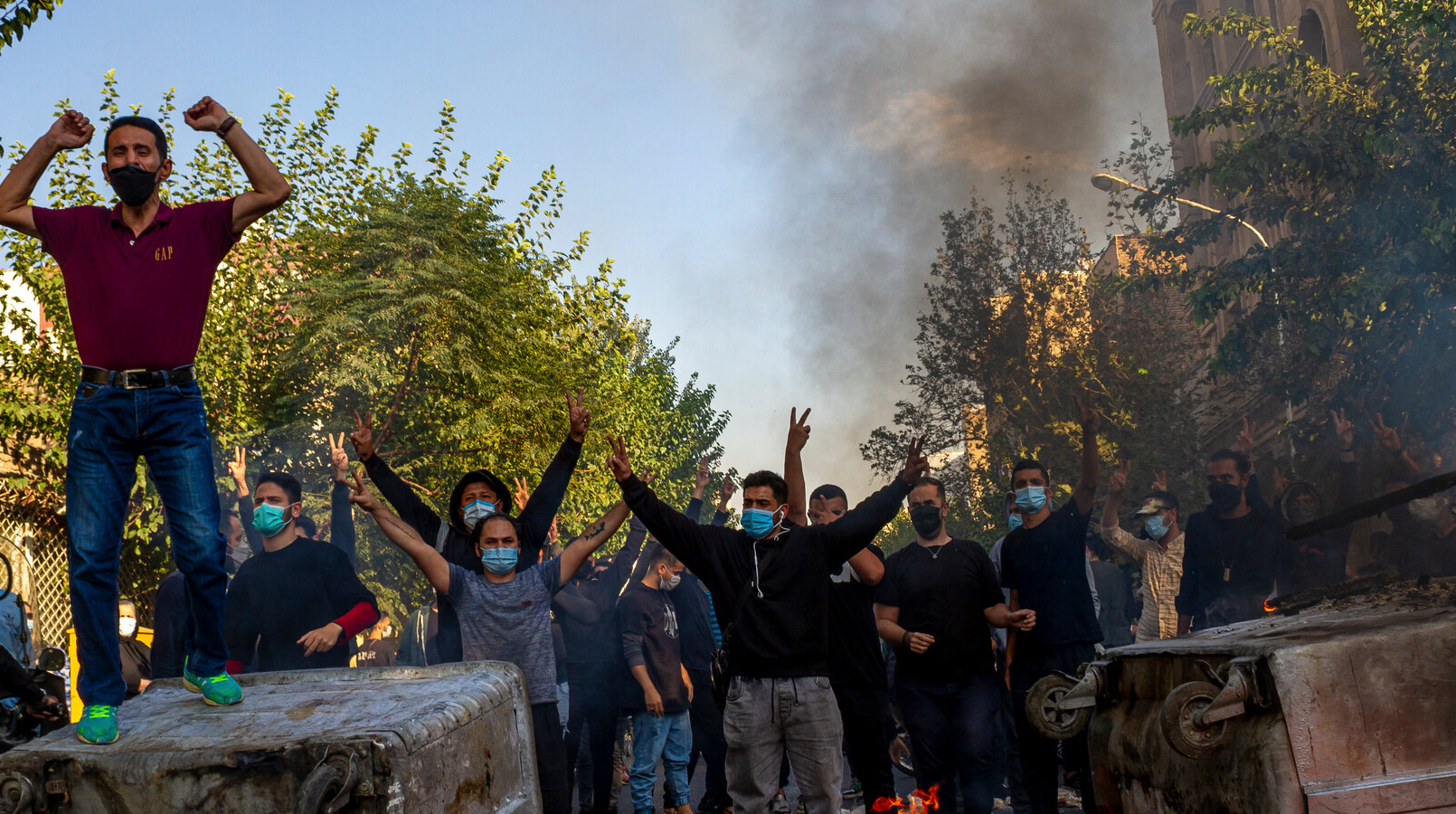
Iran-US tensions: Tensions between Iran and the United States are escalating rapidly amidst one of the deadliest protest crackdowns in modern Iranian history. A new report claims that as many as 36,500 people may have been killed by Iranian security forces during a two-day brutal crackdown on nationwide protests on January 8-9 – a figure that, if accurate, would make the event one of the bloodiest civilian massacres in recent history amidst civil unrest.
These protests, which began in late December due to mounting economic problems – including inflation and the plummeting value of the Iranian rial – quickly morphed into widespread anti-government unrest across more than 400 cities. Reports based on classified documents reviewed by activists, health officials, and media outlets indicate that the crackdown was indiscriminate and brutal, involving mass shootings in the streets, artillery shelling, and summary executions.
International human rights groups and medical professionals have attempted to document the casualties, although they have faced significant difficulties due to an almost complete internet blackout imposed by Iranian authorities. Some independent estimates had previously projected thousands of deaths, while Iranian state media acknowledged a much lower official figure of just over 3,000 deaths – a number that human rights advocates and foreign experts say is a gross undercount.
Amidst these horrific events, the Iranian-American and diaspora communities are still expressing profound anguish and fear for their loved ones in Iran. Many describe the situation as “emotionally devastating” due to the escalating violence and the regime’s efforts to suppress information about what is happening on the ground.
At the same time, the Iranian government has issued stern warnings against foreign intervention, particularly from the United States, which has publicly criticized the crackdown. Tehran’s leadership has indicated that any external military intervention would be met with a strong response. This comes at a time when U.S. President Donald Trump and his administration have considered various options in response to the bloodshed, including sanctions and other forms of pressure, although direct military action remains a subject of intense debate in Washington.
The situation has also sparked global concern, with allies and human rights organizations urging restraint and accountability for abuses. The United States and other Western governments have expressed alarm over the mass arrests of protesters, reports of extrajudicial killings, and the overall scale of the repression, arguing that Iranian authorities must respect human rights and allow for peaceful expression.
Iranian security forces, including the Islamic Revolutionary Guard Corps (IRGC), have reportedly used live ammunition and heavy weapons against protesters. Witness accounts describe scenes of chaos in cities like Rasht, where entire markets were reportedly engulfed in violence and dozens of people were killed.
These events are fueling a complex and volatile geopolitical confrontation, with Iran determined to maintain its sovereignty in the face of mounting international pressure. The true human cost of the crackdown remains difficult to independently verify, but the emerging figures and eyewitness accounts paint a picture of a national crisis with profound implications for Iran’s future and its relations with the United States and the rest of the world.
Read More: Iran says 40 Iranians in ICE custody to be flown home